
Hot Water Systems Sized for Actual Use
Water Heater Services in Trenton for homes and businesses dealing with inconsistent hot water, leaking tanks, and aging systems
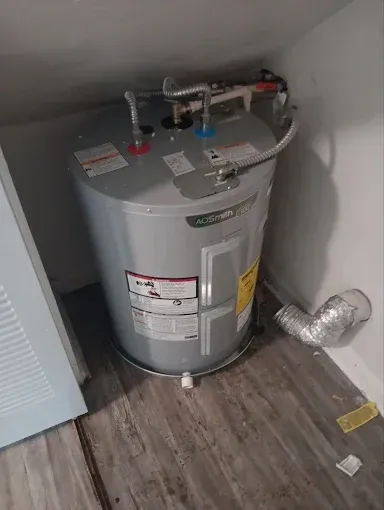
Running out of hot water halfway through morning showers or discovering water pooling beneath a water heater tank signals that the system no longer meets household demands or has reached the end of its functional life. Water heater installation, replacement, repair, maintenance, and troubleshooting services address these problems for both traditional tank systems and tankless designs used in homes and businesses throughout Trenton and North Central Florida. Flo-Right LLC provides honest recommendations based on household size, usage patterns, and budget constraints rather than pushing the most expensive option, helping property owners choose between repairing current systems and upgrading to more efficient designs. When a family of four exhausts a forty-gallon tank every morning or a commercial facility can't maintain temperature during peak hours, proper sizing becomes more important than brand names or feature lists.
Water heater service covers solutions for inconsistent hot water caused by failing heating elements or sediment buildup, leaks from corroded tanks or loose connections, efficiency upgrades that reduce energy costs, and complete replacements when repairs no longer make economic sense. The work involves evaluating current systems to determine whether simple component replacement extends life or whether age and condition justify new installations. Quality workmanship and reliable installations backed by experienced plumbing professionals ensure water heaters operate safely and efficiently for years rather than failing prematurely due to improper setup.
Schedule a water heater inspection to evaluate system condition and discuss options before complete failure forces emergency replacement decisions.
Why Water Heater Performance Degrades Over Time
Water heaters accumulate mineral sediment at tank bottoms over years of operation, especially in areas with hard well water common throughout the region, creating insulation between heating elements and water that reduces efficiency and extends recovery time. Anode rods designed to attract corrosion deteriorate until tank interiors begin rusting, eventually causing leaks that require full replacement rather than repair. Heating elements fail from continuous cycling, thermostats drift out of calibration, and pressure relief valves weaken until they drip constantly or fail to operate when needed. Understanding these wear patterns helps determine whether repairs address root causes or merely delay inevitable replacement.
After water heater service completes, you'll notice consistent hot water temperature throughout use without sudden cold bursts, adequate capacity for household or business demands without running out mid-task, and no water accumulating beneath the unit from leaks or pressure relief discharge. New installations operate quietly without the popping sounds sediment buildup creates, and properly sized systems recover quickly between high-demand periods. Tankless installations provide endless hot water for properties with space limitations or continuous-use requirements, though they require adequate gas supply or electrical capacity to support on-demand heating.
Water heater service includes removing old units and disposing of them properly when replacements occur, installing new systems with code-compliant venting and connections, and testing for proper temperature and pressure operation before work is considered complete. The service doesn't typically include upgrading electrical panels if tankless electric units require more amperage than currently available, though plumbers coordinate with electricians when infrastructure changes are needed.
What Property Owners Usually Ask
Questions about water heater decisions arise frequently when property owners face repairs or replacements and need to understand options and long-term costs.
What determines whether a water heater should be repaired or replaced?
Systems under seven years old with single component failures like heating elements or thermostats typically justify repair, while units over ten years old with tank leaks, extensive corrosion, or multiple failing parts usually make better candidates for replacement given the likelihood of additional failures.
How does hard well water affect water heater life in North Central Florida?
Hard water accelerates sediment accumulation and anode rod depletion, often reducing tank life by several years compared to treated city water, making annual flushing and anode inspection more important for extending system longevity.
When does tankless water heating make sense over traditional tank systems?
Tankless units work well for properties with limited installation space, households wanting endless hot water, or situations where the installation location allows shorter pipe runs to fixtures, though they require higher upfront investment and adequate fuel supply capacity.
What size water heater does a typical household need?
Sizing depends on simultaneous use patterns rather than just occupant count—a household where everyone showers at different times may function well with a smaller tank than a family where multiple showers run concurrently during morning routines.
Why do some water heaters develop foul-smelling hot water?
Sulfur smells typically result from bacteria interacting with anode rods in tank systems, particularly with well water sources, and often resolve through anode replacement with aluminum-zinc alloys or periodic tank sanitizing with hydrogen peroxide solution.
Flo-Right LLC offers reliable water heater installation, repair, and maintenance throughout the service area. Call to discuss current system problems or schedule a consultation when planning water heater upgrades or replacements.